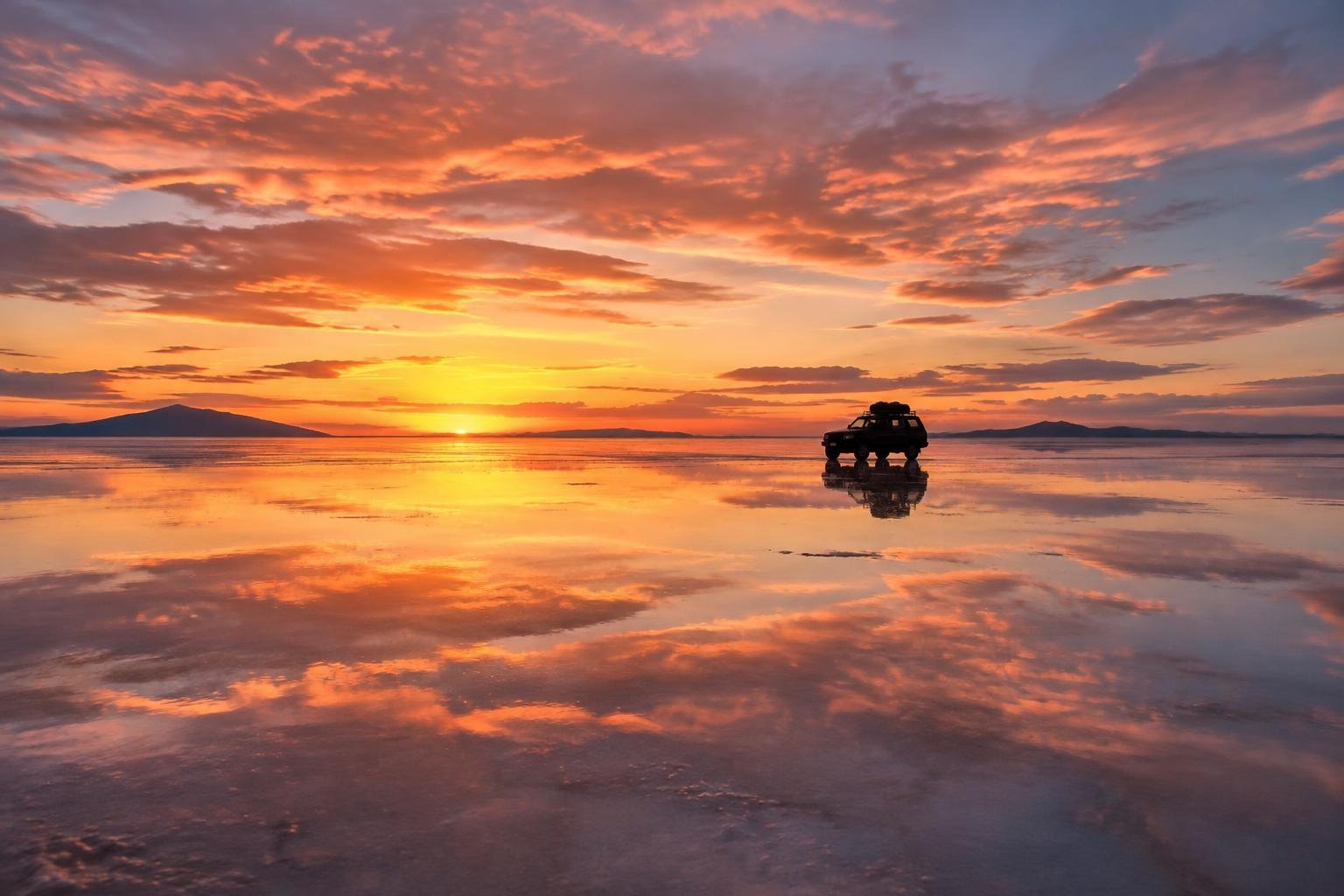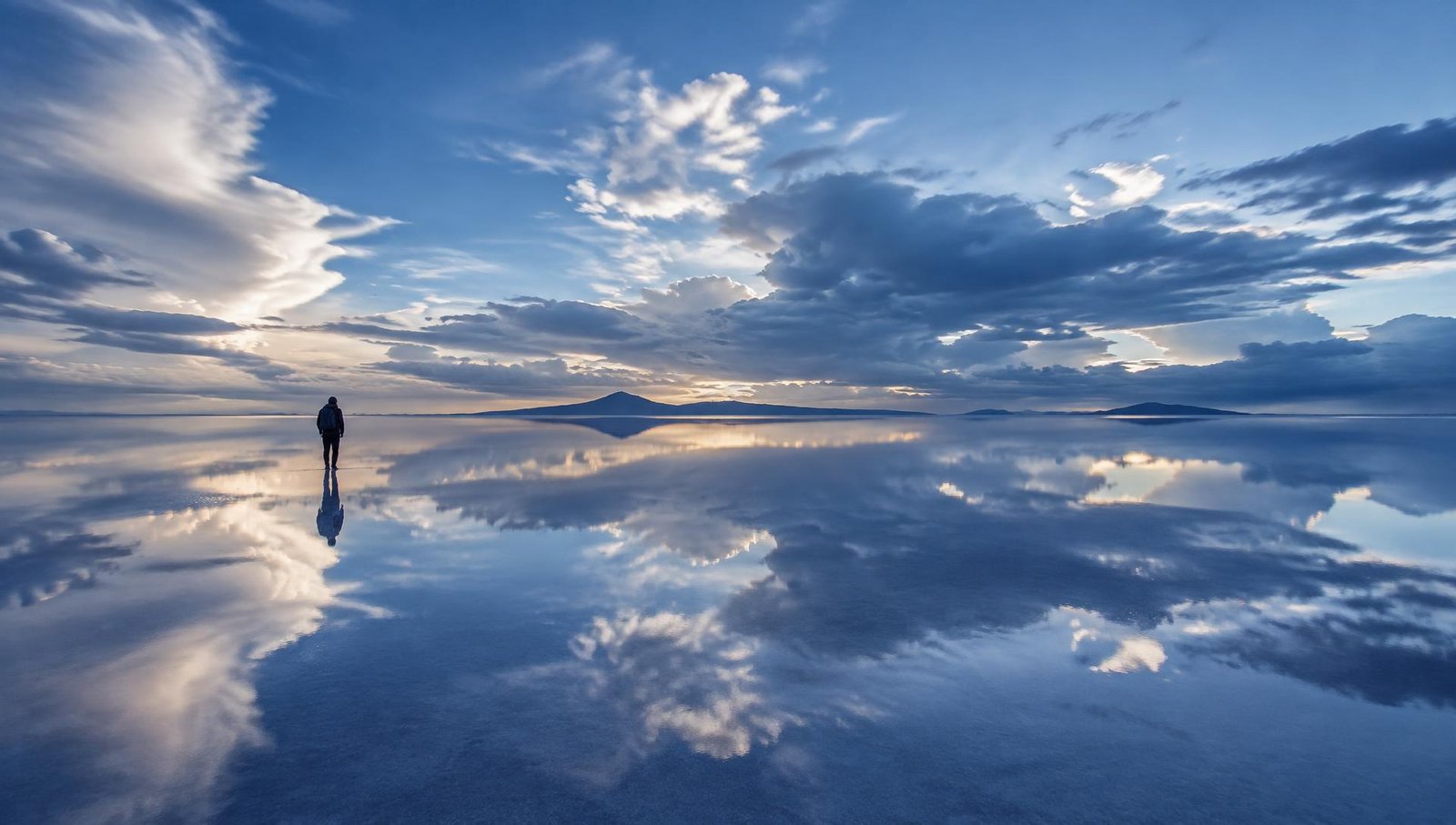
Bolivia · Potosí · 3,650 m
Salar de Uyuni: where the sky touches the earth
An independent guide to the largest mirror on Earth, written by a family who grew up in Bolivia.
~10,500 km²
The largest salt flat on Earth
~3,650 m
Above sea level
Potosí
Department, Bolivia
Boliviano
Currency (BOB)
Spanish
Main language
Jan to Mar
Best months for the mirror
Location
Where is the Salar de Uyuni?
The salt flat lies in southwest Bolivia, in the department of Potosí, on the high Andean plateau known as the Altiplano.
The base town is Uyuni, where almost every tour starts. Colchani, about 20 km away, is the gateway to the salt flat and home to the famous salt hotels.
Weather
Weather and best seasons
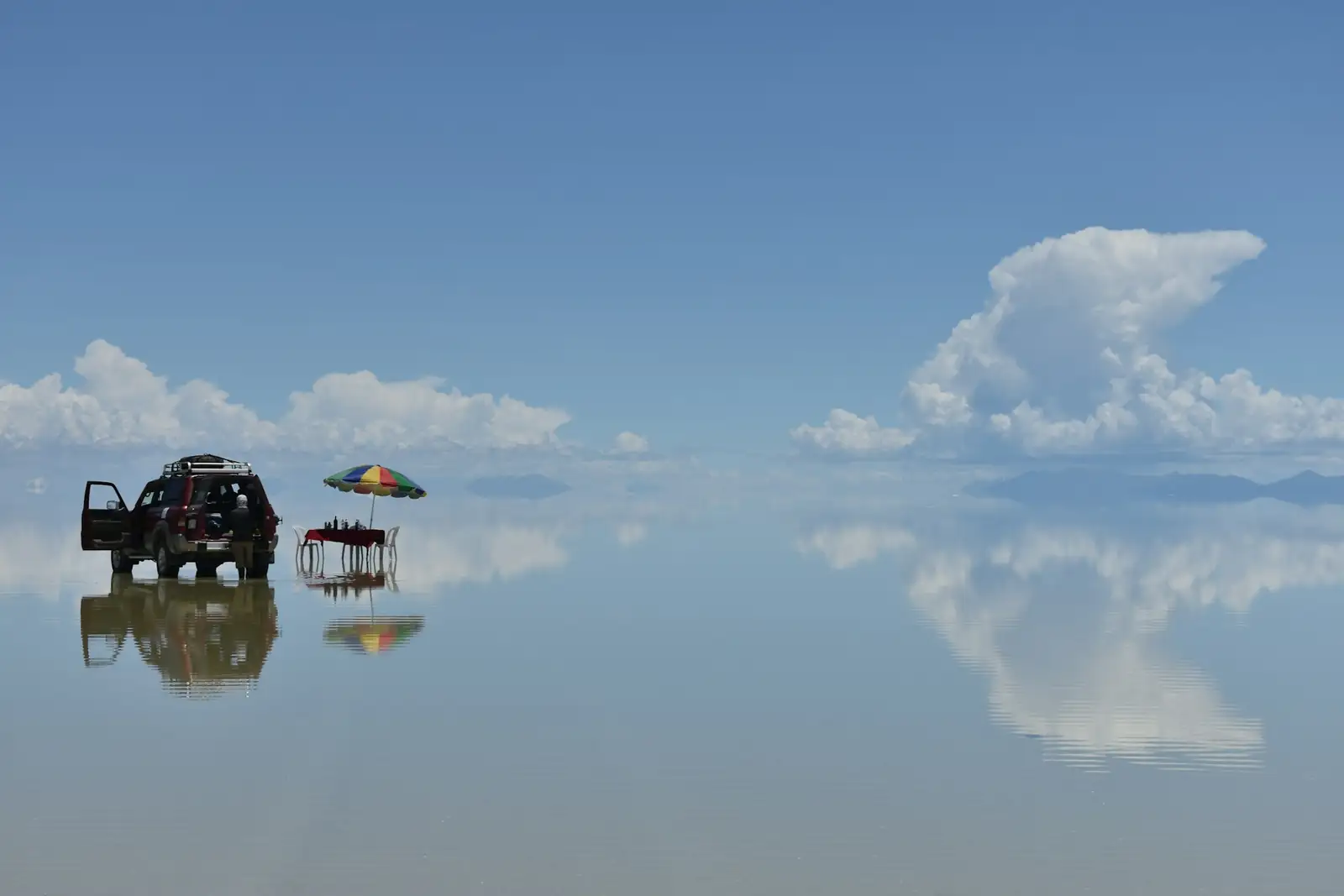
Rainy season: the MIRROR
December to April, best from January to March
Rainwater creates the famous reflection and the sky doubles beneath your feet. Some routes may close because of the water.
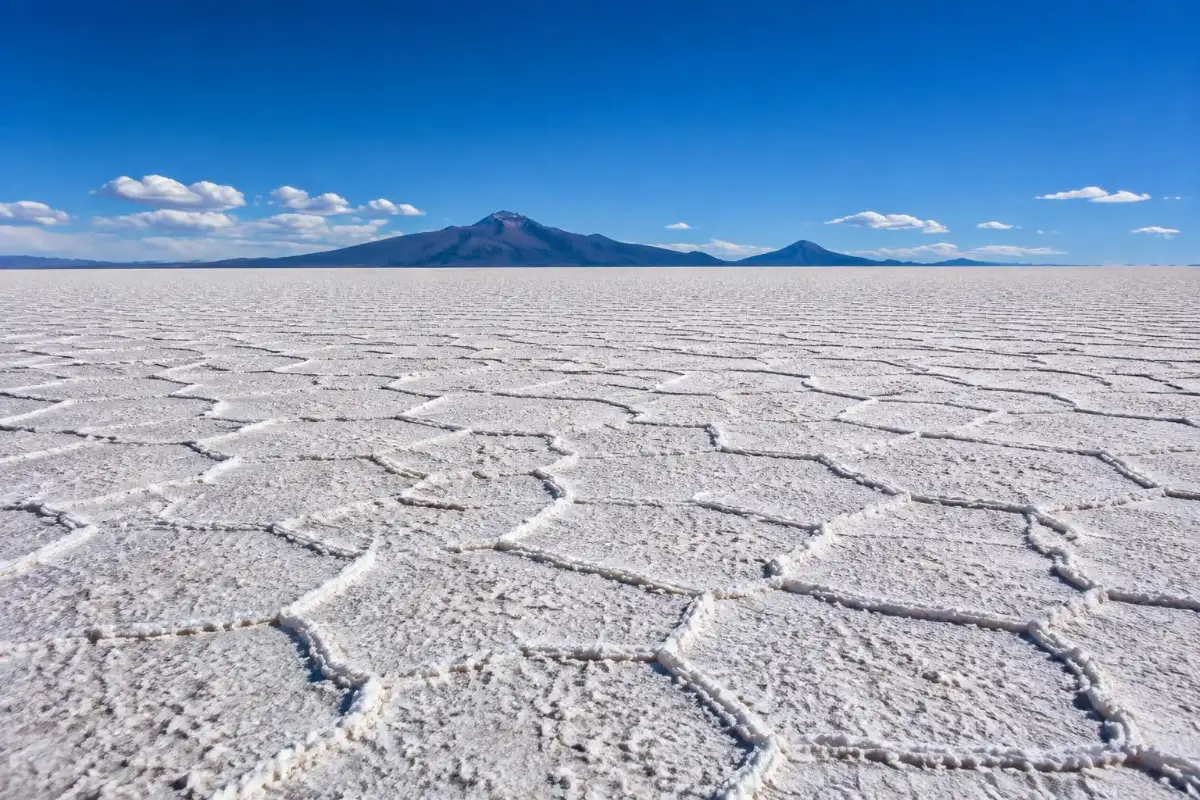
Dry season
May to November
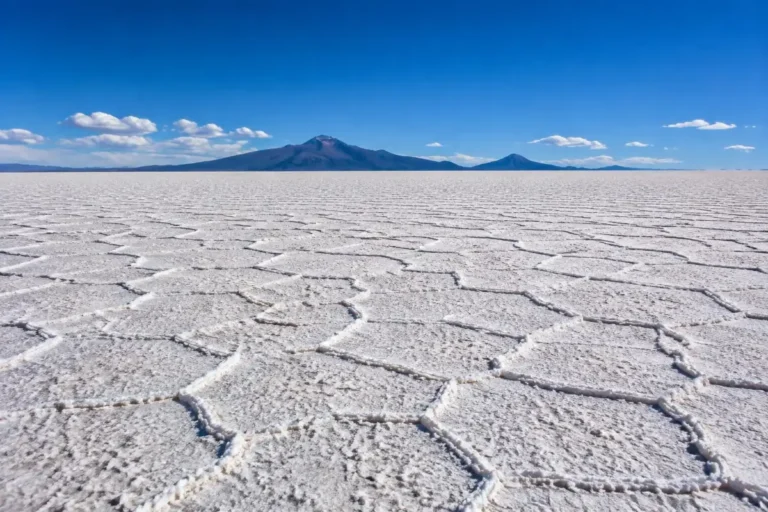
The salt hexagons appear and you can reach Incahuasi Island and the lagoon route. Very cold nights, below freezing from June to August.
Important: days are 15 to 20 °C with very strong sun; nights drop below 0 °C all year round.
What to pack
Sunglasses, sunscreen, thermal layers, rubber boots for the mirror, a warm down jacket and a headlamp.
Flavors of the Altiplano
Local food
Royal quinoa
The famous quinoa soup, warming and nourishing.
Llama meat
Lean and tasty, grilled or breaded.
Salteñas
Juicy baked empanadas, the classic Bolivian breakfast.
Pique macho
Beef, sausage, fries and locoto chili, made for sharing.
Api with buñuelos
A hot purple-corn drink served with fritters.
Coca tea
The classic local remedy for altitude sickness.
Uyuni town has restaurants and pizzerias for travelers; on tours, meals are usually included.
Transport
How to get to Uyuni
| Option | Route | Duration |
|---|---|---|
| Flight | La Paz to Uyuni (Boliviana de Aviación) | ~1 hour |
| Overnight bus | La Paz to Uyuni (~550 km) | 10 to 12 hours |
| Train | Oruro to Uyuni | ~7 hours |
| From Chile | San Pedro de Atacama, a tour that crosses the border | 3 days |
Accommodation
Where to stay
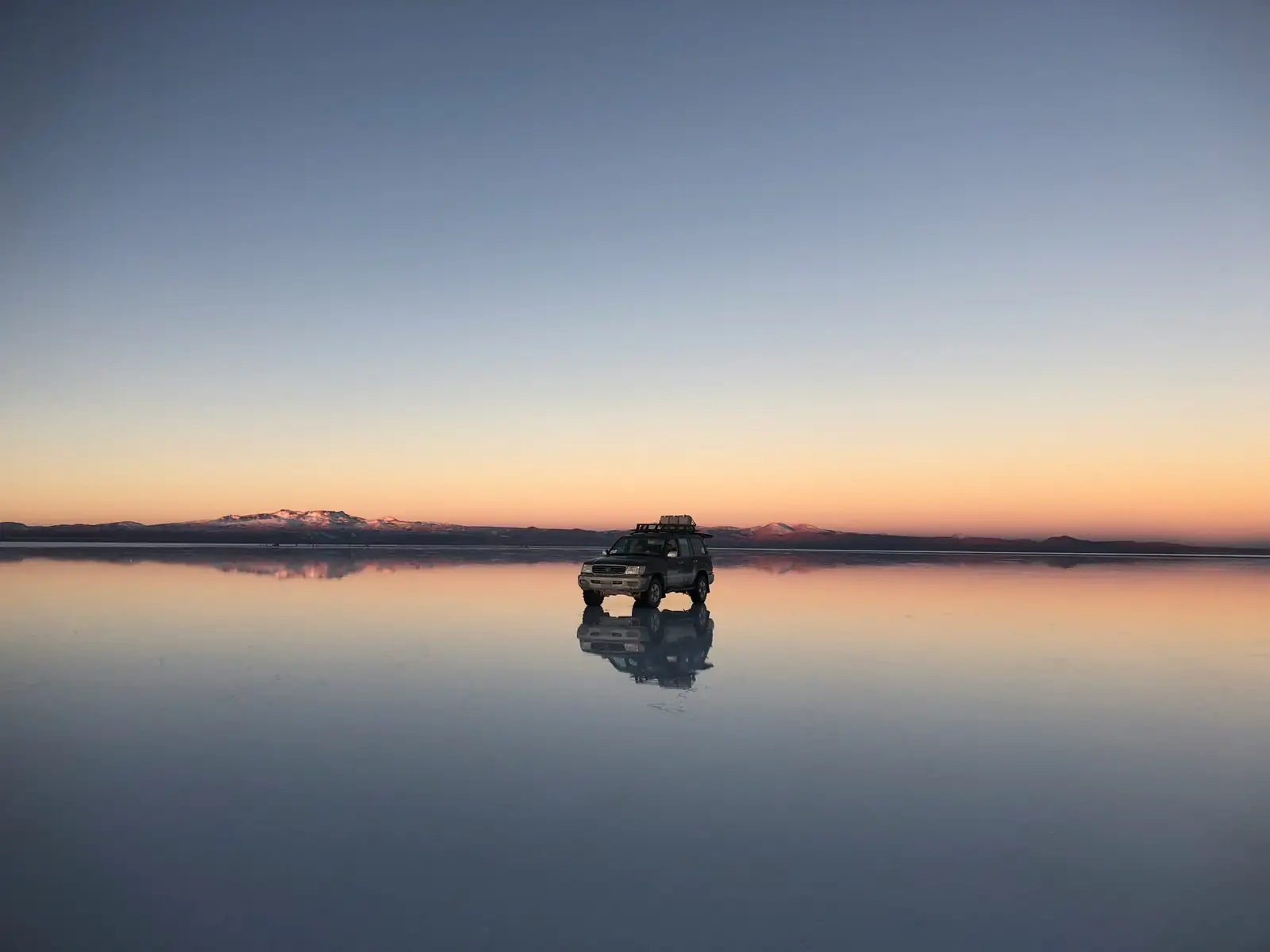
Uyuni town
The cheapest option with the most services: restaurants, tour agencies and ATMs.
See Uyuni hotels on BookingSalt hotels in Colchani
On the edge of the salt flat, with walls and furniture made from blocks of salt. A one-of-a-kind stay.
See salt hotels on Booking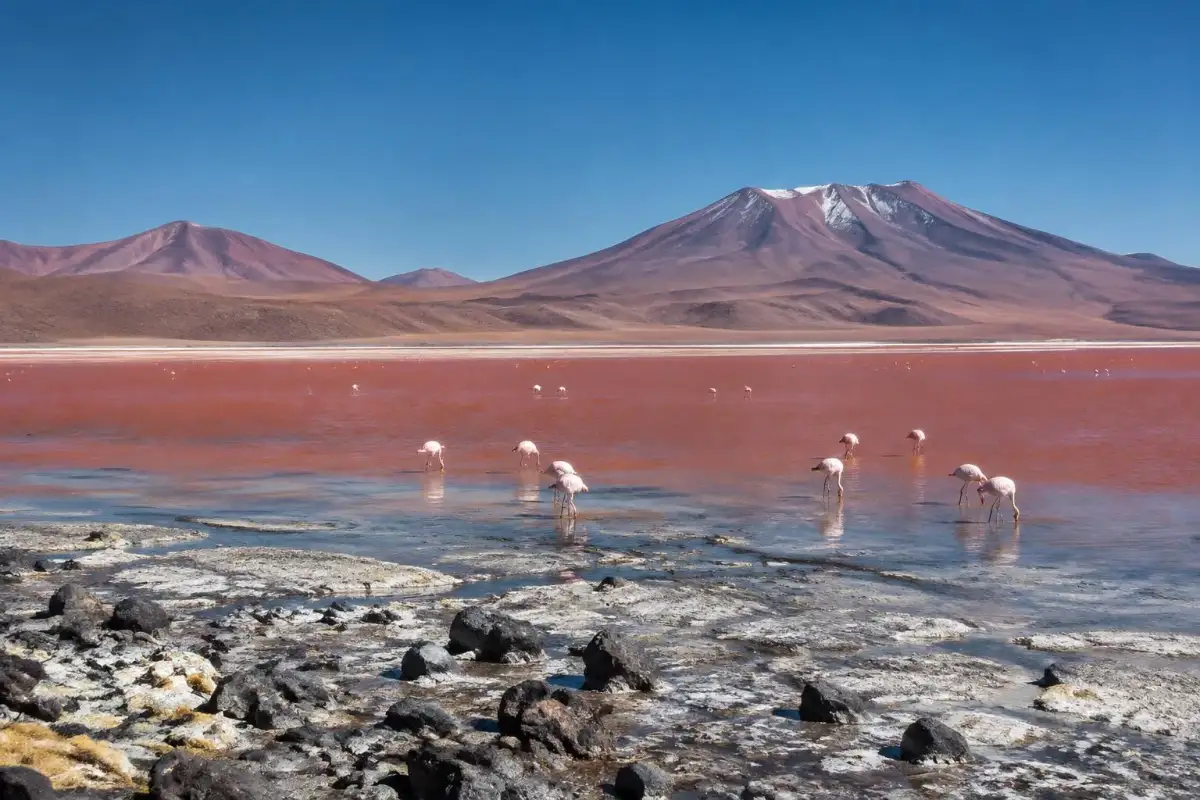
Currency and money
The currency is the boliviano (BOB). Bring cash: Uyuni has few ATMs, they sometimes don’t work, and many places don’t take cards.
Currency converter
… BOB
Loading live rates…
Reference rate only. Bolivia moved to a floating exchange rate in 2026, and cash, card and ATM rates can differ. Rates by Exchange Rate API
Language
Spanish is the main language; Quechua and Aymara are also spoken in the region. A few useful words:
¿Cuánto cuesta?
How much is it?
Gracias
Thank you (Quechua: Sulpayki)
Agua
Water: stay hydrated
Baño
Where is the bathroom?
Hola
Hello
Por favor
Please
No entiendo
I don’t understand
La cuenta, por favor
The check, please
Plan your trip
Uyuni travel guide
Dry season
Salar de Uyuni in the Dry Season: What to Expect from May to November
Month-by-month guide to the Salar de Uyuni dry season: temperatures, hexagons, Incahuasi Island, cold lagoon nights and the best tours.
Read the guide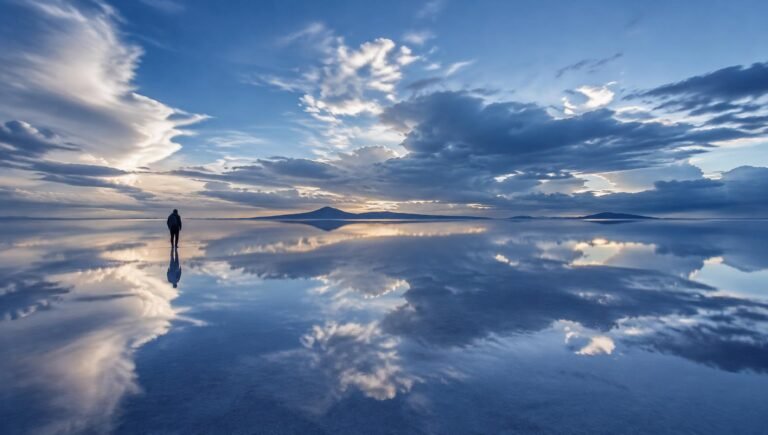
Mirror season
When to See the Mirror Effect at Salar de Uyuni: Month-by-Month Guide
Month-by-month odds for the Uyuni mirror, the best hours, what deep water closes off, photo tips and which tour to book.
Read the guide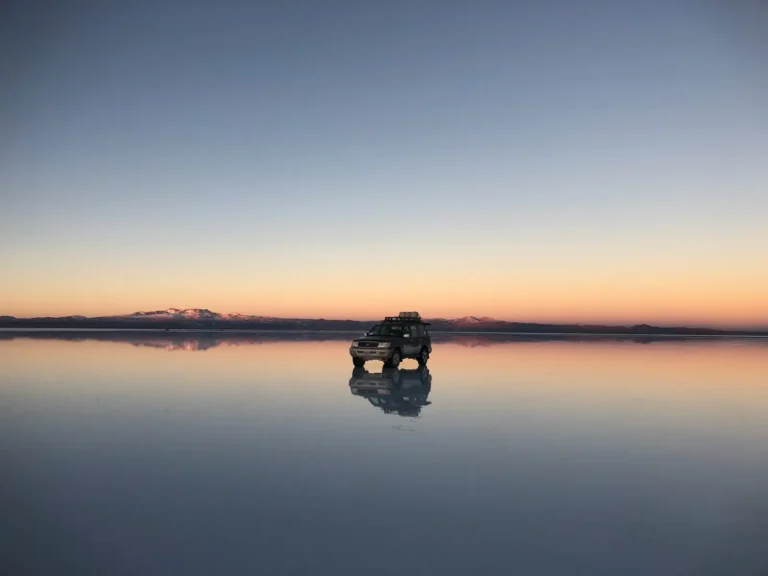
Getting there
How to Get to Uyuni from La Paz: Flight, Bus or Train (2026 Guide)
Flight, overnight bus or train via Oruro? Times, prices and tips for getting from La Paz to the Salar de Uyuni, plus a 4-day acclimatization plan.
Read the guide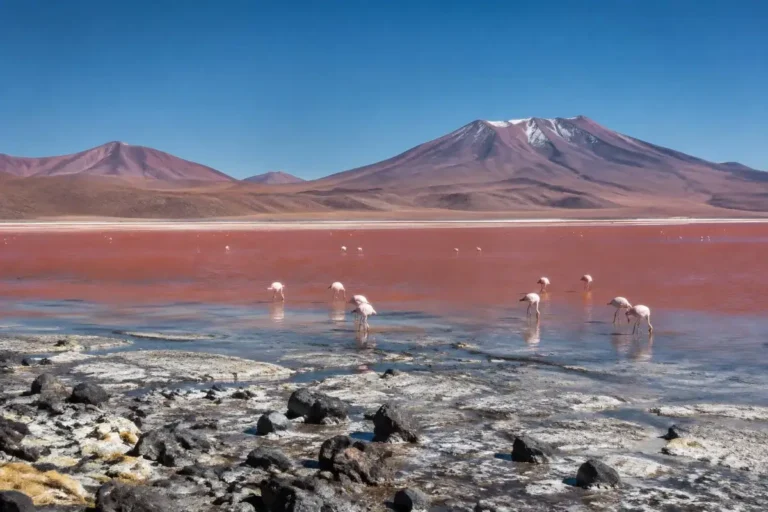
Tours
Salar de Uyuni Tours Compared: 1-Day vs 3-Day vs 4-Day (and Private)
What each Salar de Uyuni tour covers day by day, real fees in BOB, altitude, comfort and how to choose between 1, 3 and 4 days or private.
Read the guide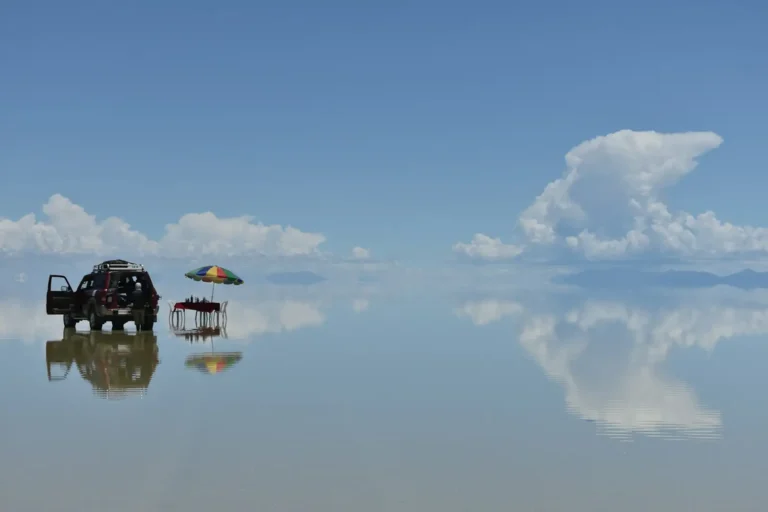
Packing
What to Pack for the Salar de Uyuni: Packing List by Season
Layers, sun protection, cash and gear for the Salar de Uyuni, with season-by-season lists and a printable checklist.
Read the guide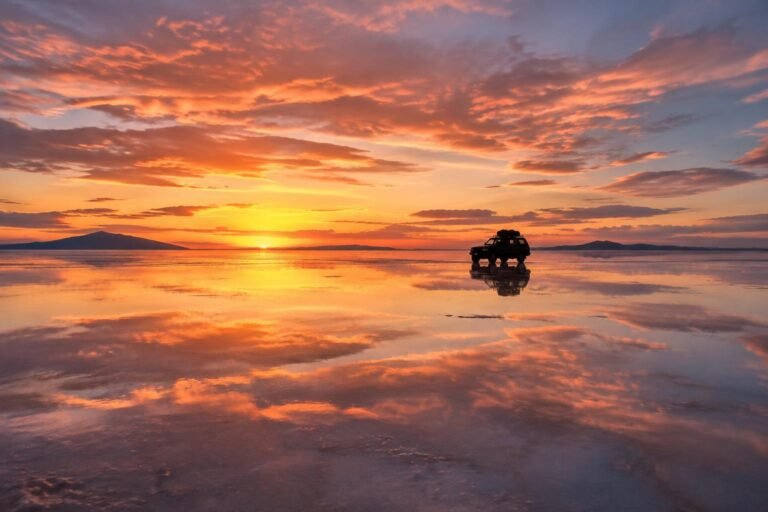
Where to stay
Salt Hotels Near the Salar de Uyuni: Where to Stay (Colchani, Uyuni and Beyond)
What salt hotels are, why none sit on the flat, and where to stay: Colchani, Uyuni town, Tahua or Chuvica, with heating and booking tips.
Read the guideFresh from the blog
Latest articles
-
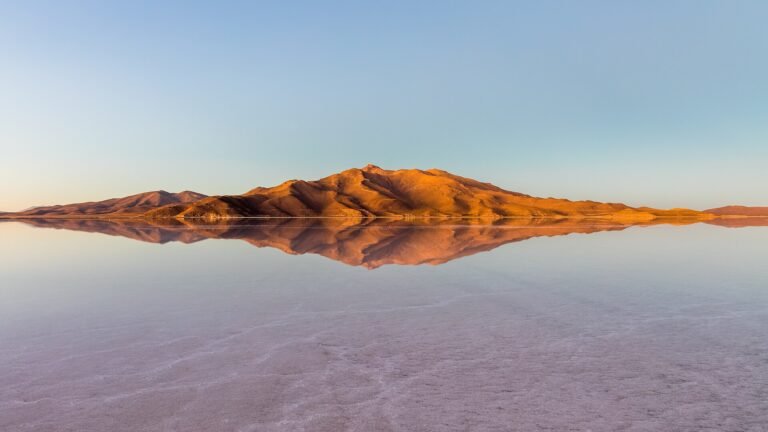
How Much Does a Salar de Uyuni Trip Cost? Real Budget Breakdown
Read the article →: How Much Does a Salar de Uyuni Trip Cost? Real Budget BreakdownSalar de Uyuni trip cost explained: transport, 1-day and 3-day tours, cash park fees, hotels, food, tips and sample 3- and 5-day budgets.
-
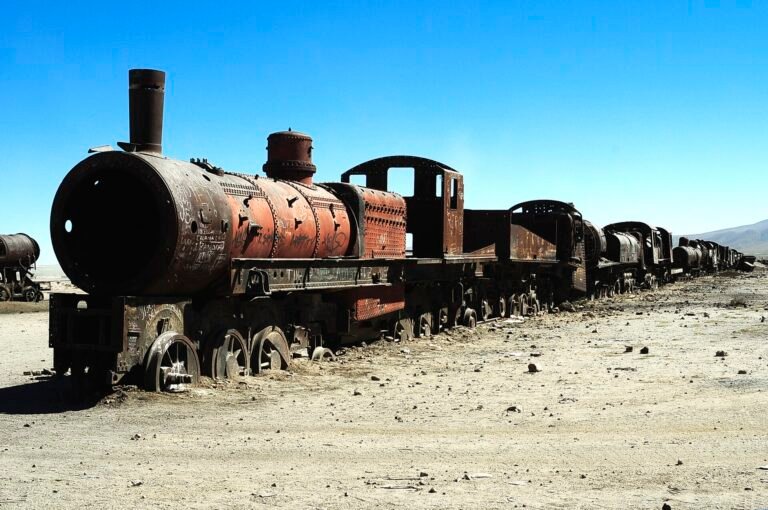
Uyuni Train Cemetery and Colchani: History, Tips and What to See
Read the article →: Uyuni Train Cemetery and Colchani: History, Tips and What to SeeUyuni train cemetery guide: railway history, distance, fees, best light, safety tips, plus Colchani’s salt workshops, market and Dakar monument.
-
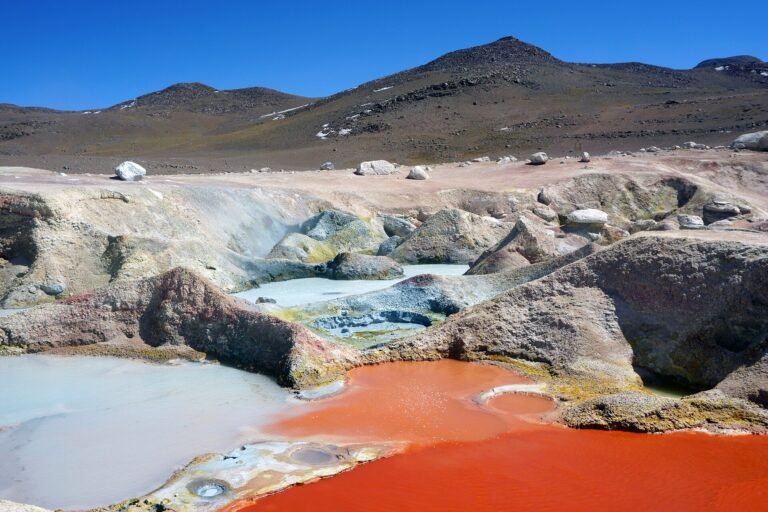
Altitude Sickness in Uyuni: How to Prepare and Acclimatize
Read the article →: Altitude Sickness in Uyuni: How to Prepare and AcclimatizeAltitude sickness in Uyuni: real altitudes on the route, AMS symptoms, HAPE/HACE warning signs, acclimatization plans, coca tea facts and insurance tips.
-
Salar de Uyuni in the Dry Season: What to Expect from May to November
Read the article →: Salar de Uyuni in the Dry Season: What to Expect from May to NovemberMonth-by-month guide to the Salar de Uyuni dry season: temperatures, hexagons, Incahuasi Island, cold lagoon nights and the best tours.
-
When to See the Mirror Effect at Salar de Uyuni: Month-by-Month Guide
Read the article →: When to See the Mirror Effect at Salar de Uyuni: Month-by-Month GuideMonth-by-month odds for the Uyuni mirror, the best hours, what deep water closes off, photo tips and which tour to book.
-
How to Get to Uyuni from La Paz: Flight, Bus or Train (2026 Guide)
Read the article →: How to Get to Uyuni from La Paz: Flight, Bus or Train (2026 Guide)Flight, overnight bus or train via Oruro? Times, prices and tips for getting from La Paz to the Salar de Uyuni, plus a 4-day…
Travel with peace of mind
Safety on the salt flat
Altitude sickness (soroche)
Arrive in La Paz or Uyuni 1 or 2 days early, stay hydrated, eat light and drink coca tea.
Extreme sun
Sunscreen, sunglasses and a hat: the glare off the salt burns.
Cold nights
Thermal layers and a sleeping bag on multi-day tours.
Reliable operators
Licensed and well reviewed, with vehicles in good condition and a sober driver.
Travel with medical insurance
At 3,650 m and far from hospitals, travel insurance is essential.
Book your adventure
Tours you can take
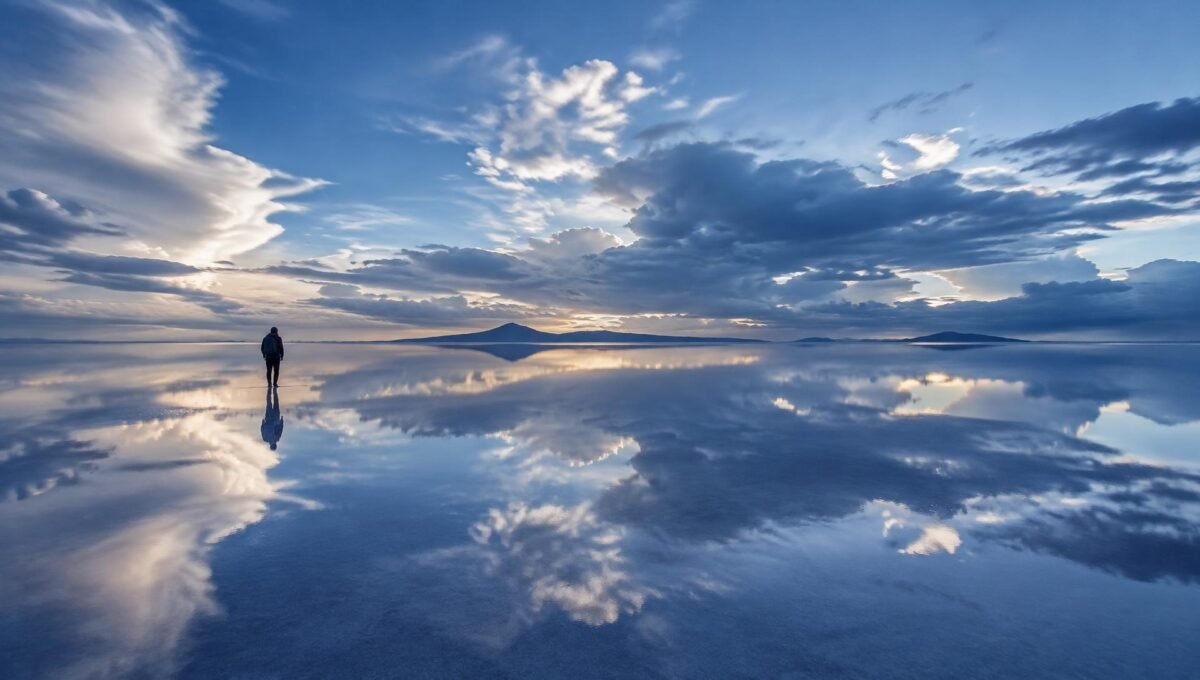
1-day Salar de Uyuni tour
Train Cemetery, Colchani, Incahuasi Island and sunset over the salt.
Check availability3-day salt flat and deserts tour
Laguna Colorada and its flamingos, the Stone Tree, geysers and colorful deserts.
Check availability4-day tour ending in La Paz
Cross the salt flat and the Altiplano and continue your trip without backtracking.
Check availability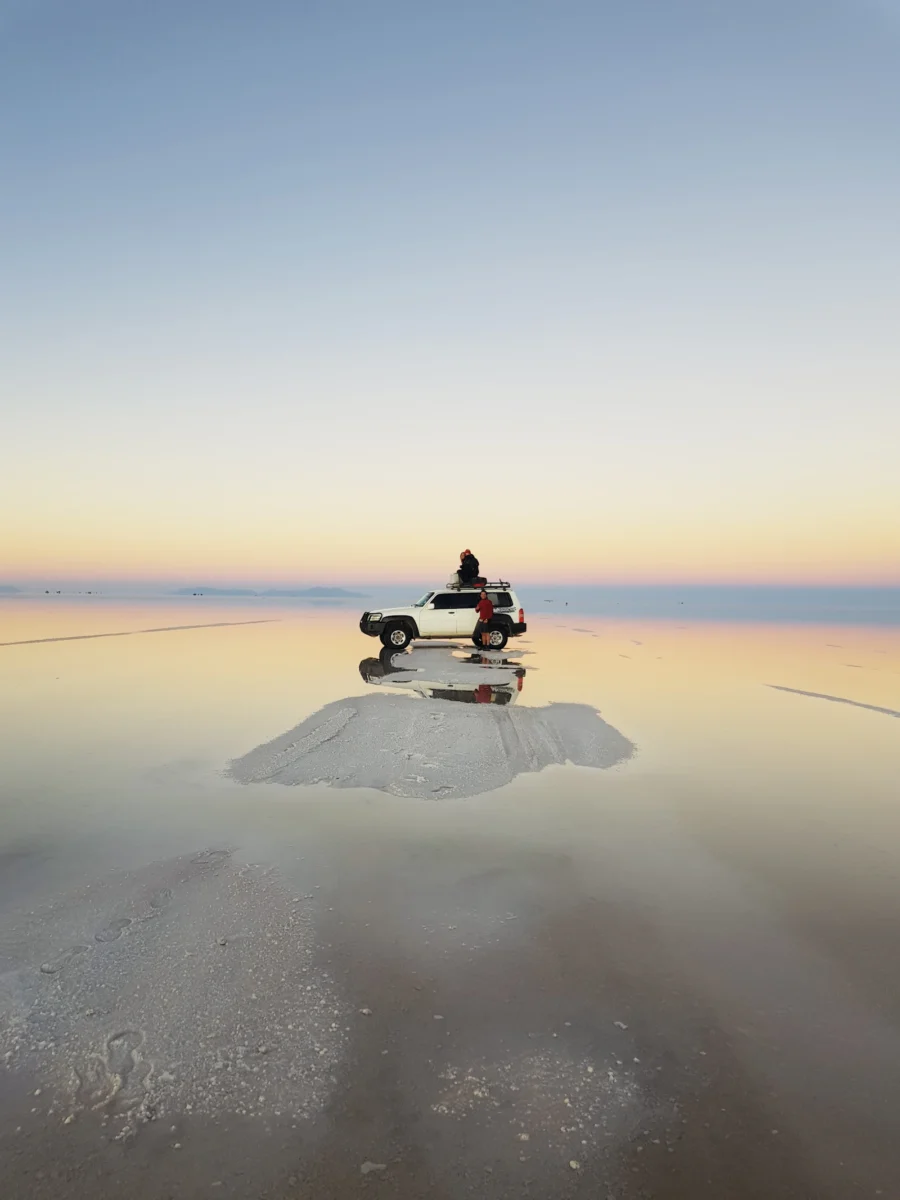
2-day Salar de Uyuni tour
Sunset and sunrise on the salt, a night in a salt hotel and time for the train cemetery and Incahuasi Island.
Check availability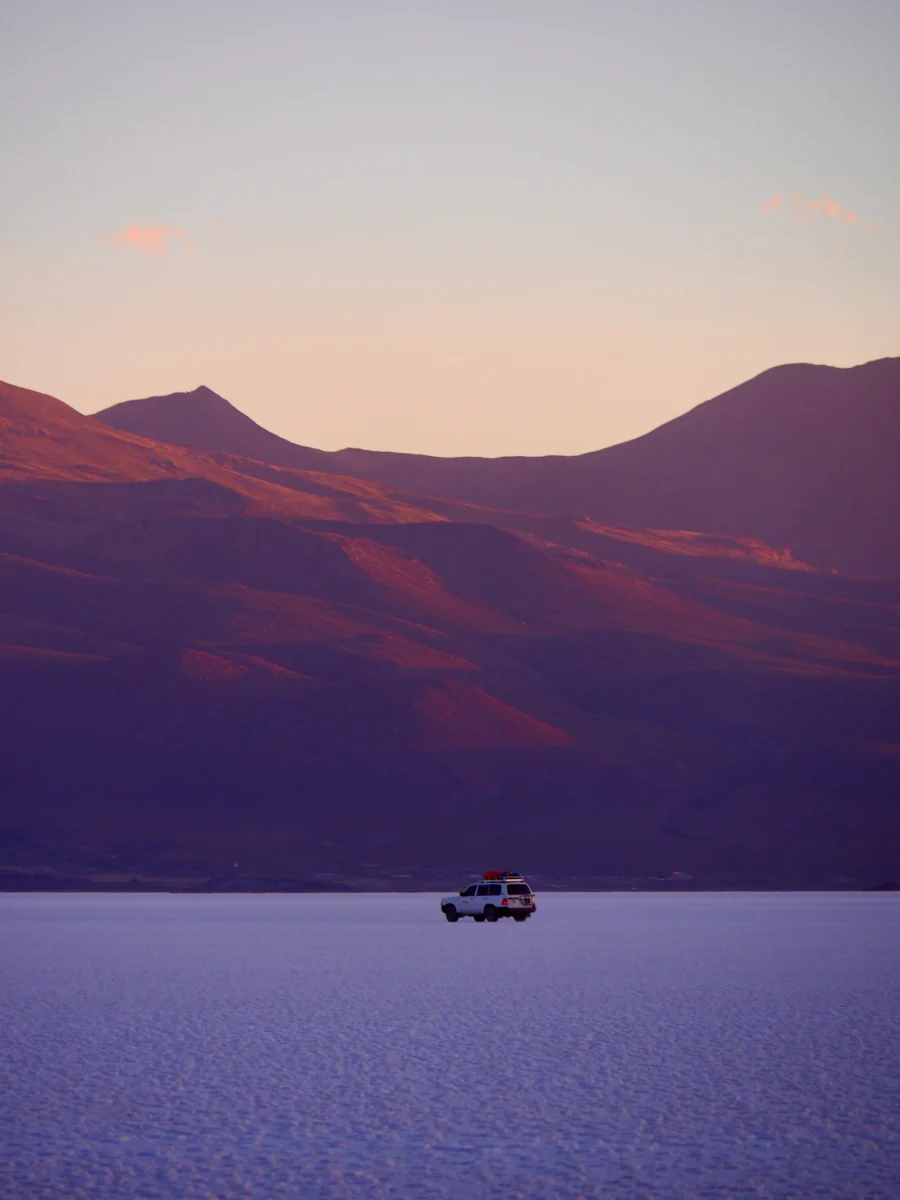
Uyuni to San Pedro de Atacama: 3 days
Cross the salt flat and the colored lagoons and finish in Chile’s Atacama Desert, no backtracking.
Check availability- Licensed local guides
- Free cancellation on most tours
- Instant confirmation
Fly to Bolivia
Direct flights to La Paz
El Alto International Airport (LPB)
| From | Airlines |
|---|---|
| Lima (Peru) | LATAM and Boliviana de Aviación |
| Bogotá (Colombia) | Avianca |
| Cusco (Peru) | Avianca |
| Santiago de Chile | LATAM and Boliviana de Aviación |
| Iquique (Chile) | Boliviana de Aviación |
There are no direct flights to La Paz from the US or Europe. Connect in Lima or Bogotá, or fly into Santa Cruz (Viru Viru Airport), which has direct flights from Miami and Madrid (Boliviana de Aviación and Air Europa), Panama City (Copa), Buenos Aires and São Paulo. From Santa Cruz there are domestic flights to La Paz and Uyuni.
Routes change often: double-check when you book.
Gallery
The salt flat in photos
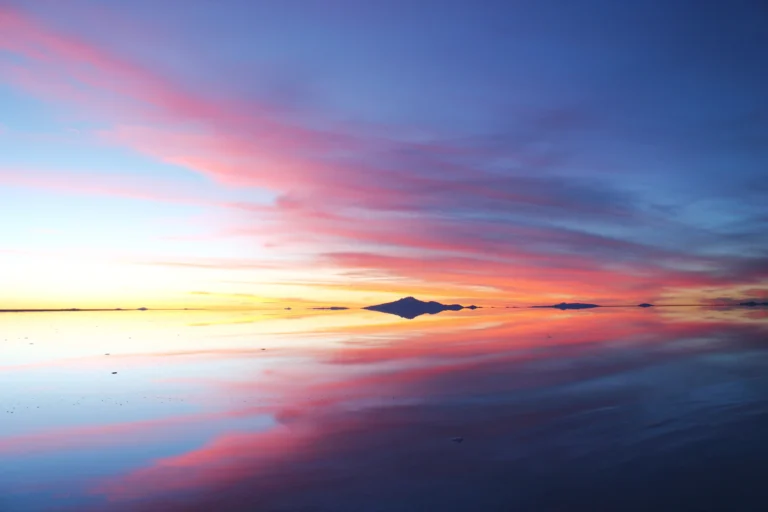
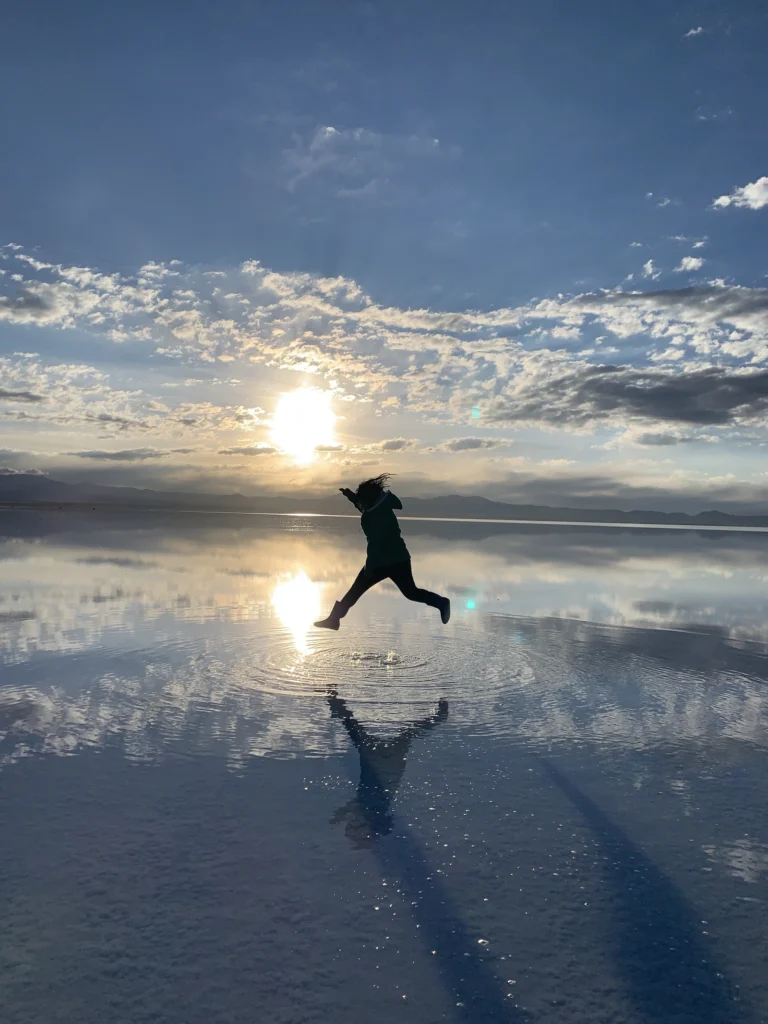
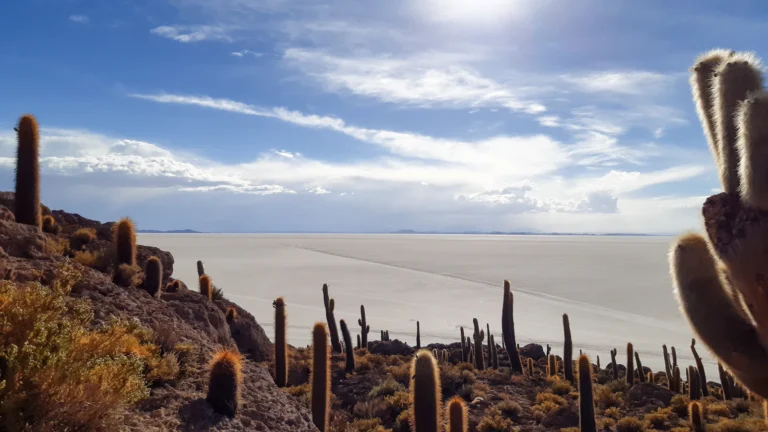
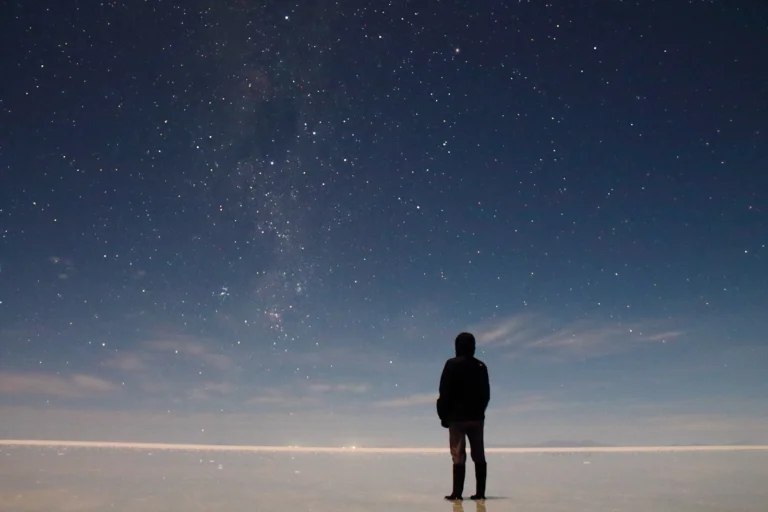
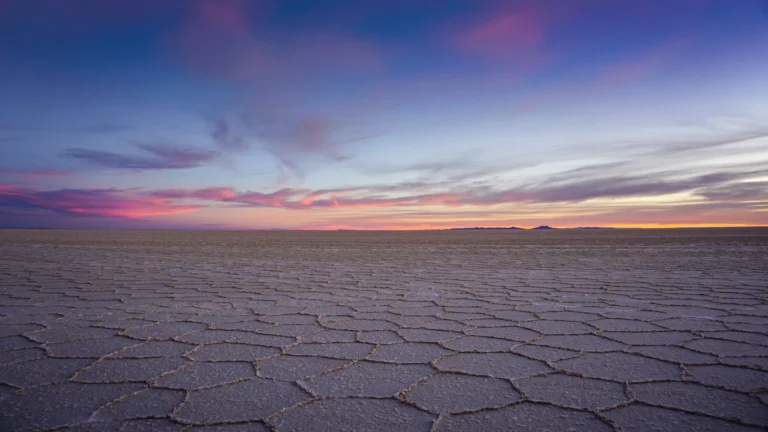
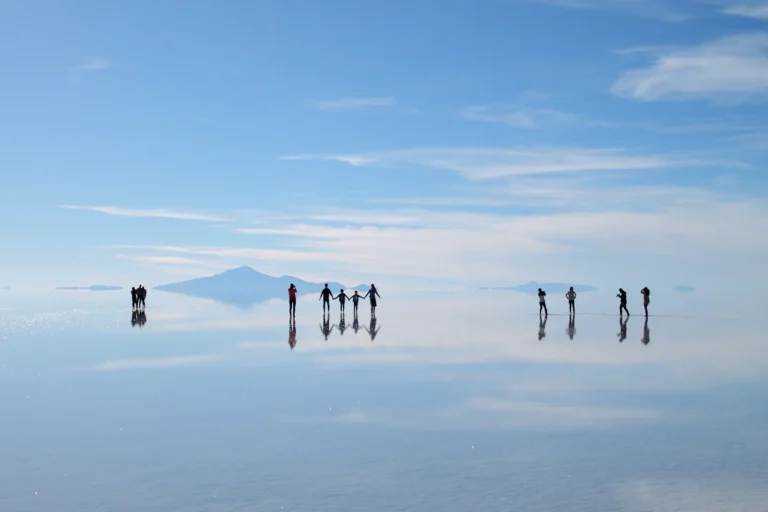
Photos: Karla Robinson, Ana María Alvarado Porras, Stefan Meier, Giacomo Buzzao on Unsplash
Your questions, answered
Frequently asked questions
When can you see the mirror effect?
During the rainy season, from December to April. The most reliable months are January, February and March, when a thin layer of water covers the salt.
How many days do I need?
One day covers the essentials of the salt flat. If you want the colored lagoons, flamingos and geysers, the 3-day tour is ideal. Add 1 or 2 days to acclimatize to the altitude.
Do I need a tour or can I go on my own?
We recommend going with a tour. The salt flat is huge, has no signs, and local drivers know the safe areas, especially when there is water.
What should I pack?
Sunglasses, high-SPF sunscreen, a hat, thermal layers, a jacket, sandals or rubber boots for the mirror, cash in bolivianos and water.
Is it very cold?
Days are around 15 to 20 °C with strong sun, but nights drop below 0 °C all year, and from June to August it can reach -15 °C on the lagoon route.
Is it safe?
Yes, if you choose licensed, well-reviewed operators with vehicles in good condition and sober drivers. Get travel medical insurance too.
What currency do I use?
The boliviano (BOB). Bring cash, because Uyuni has few ATMs and many places don’t take cards. Check the exchange rate before you travel.
How do I avoid altitude sickness?
Arrive in La Paz or Uyuni 1 or 2 days early, stay hydrated, eat light, skip alcohol the first nights and drink coca tea.
Our network
Partner travel sites
The Mirror of the World is part of a small family of independent travel guides run by the same team. Keep planning with our sister sites, in English and Spanish.
uncovertheandes.com
Travel and trekking guides across Peru, Bolivia, Ecuador, Chile, Argentina and Colombia, plus outdoor gear reviews.
Visit site →Españolviajaatodoelmundo.com
Spanish-language travel guides for destinations all over the world.
Visit site →Españoltoursbaratos.com
Affordable tours and excursions in the world’s most visited destinations.
Visit site →